What Is an ANSI Flange and How Does It Work: A Manufacturer’s Guide
Walk any plant floor and you will see the same thing: flanges at every joint, every turn, every piece of equipment. They do not get much attention when they work. When they fail, everything stops. One leak at a Class 600 joint can shut down a refinery for days. That is why most engineers we work with spec ANSI flanges from the start. They are not fancy. They are predictable. And predictable is exactly what you want when you are holding back 1,200 psi of steam.

What Is an ANSI Flange?
An ANSI flange is a mechanical connector manufactured to ASME B16.5 or B16.47 standards, designed to join pipes, valves, pumps, and equipment into a complete and pressure-tight piping system.
“ANSI” stands for the American National Standards Institute. They used to publish the piping standards. These days ASME (American Society of Mechanical Engineers) maintains them, but the name “ANSI flange” stuck. Everyone knows what it means. When a buyer calls and asks for an ANSI flange, they want a fitting with standard dimensions, standard bolt holes, and a standard pressure rating. It should bolt up to any other ANSI flange or valve of the same size and class. At our shop, we machine B16.5 flanges up to 24 inches. Anything bigger goes to B16.47 Series A or B.
The flange is the break point in the line. You can pull a valve for repair without cutting pipe. You can connect carbon steel to stainless, or swap out a section, without touching the rest of the run. Without flanges, you are welding everything solid and hoping nothing ever needs service. Good luck with that.

How Does an ANSI Flange Work?
Two flanges face each other. A gasket goes between them. Bolts go through the holes and get torqued down. The gasket squeezes flat, fills the tiny imperfections in the flange faces, and blocks the fluid from escaping. That is it. Nothing magic.
The flange itself is just one piece of the puzzle. The bolts have to be torqued evenly. The faces have to be parallel. The gasket has to match the temperature, pressure, and chemistry. We have seen a Class 600 flange leak because someone threw a 150-rated gasket on it. We have seen a brand-new gasket blow out because the fitter tightened the bolts clockwise instead of using a star pattern. The best flange in the world will not save you from a bad install.
Pro Tip
Tighten in a star pattern. Not clockwise. The difference is the difference between a seal and a leak.

ANSI Flange Standards and Class Ratings
ASME B16.5 covers flanges from 1/2 inch to 24 inches. B16.47 handles the big stuff, 26 to 60 inches. The standard tells you exactly how thick the flange needs to be, where the bolt holes go, how deep the facing is, and what pressure it can hold at what temperature. The whole point is interchangeability. A flange we machine in Texas should bolt up to a Japanese valve without anyone pulling out a tape measure.
The pressure class is what matters when you are picking one. Class 150 handles low-pressure water and air. Class 300 steps it up for chemical process lines. Class 600 covers oil and gas, power plants, high-pressure steam. Above that you get into 900, 1500, and 2500 for the serious stuff: refinery hydrocrackers, power plant superheated steam, any place where a failure sends people running.
Higher class means thicker metal, bigger bolts, more bolt holes. It also means more weight and more cost. We get calls from buyers who want to “go up a class to be safe.” Usually that is a waste of money. A Class 150 flange rated for 285 psi does not help you if your system runs at 50 psi. It just makes the pipe rack heavier. We check the actual pressure and temperature before we quote.

Main Types of ANSI Flanges
These six cover most of what we ship:
Weld Neck Flange
The long tapered hub spreads stress from the flange into the pipe wall. That makes it the go-to choice for high pressure, cyclic loading, or anything that shakes. We machine these for pipeline compressor stations, power plant steam headers, and any job where the word “failure” is not in the vocabulary. They cost more than slip-ons. They are worth it.
Slip-On Flange
Pipe slips through the bore, you weld both sides, done. Faster to install than a weld neck because you do not need exact pipe-end prep. We sell a lot of these to water treatment plants, HVAC contractors, and general industrial piping where the pressure is low and the budget matters.
Blind Flange
A solid disk. No hole. It caps a line or seals a nozzle for hydrotest. Every vessel needs one. We stock these across all common pressure classes because someone always calls in a rush: “We need a 12-inch Class 300 blind, and we needed it yesterday.”
Socket Weld Flange
A recessed socket accepts the pipe end. One fillet weld on the outside seals it. These are for smaller sizes, usually under 2 inches. High-pressure hydraulic systems, instrument lines, places where space is tight and a leak would be expensive.
Threaded Flange
Screws onto the pipe. No welding. You see these in explosive atmospheres, lined pipe, or temporary hookups. The pressure rating is lower than welded types, and the threads have to be clean and sealed with compound or tape.
Lap Joint Flange
Used with a stub end. The flange can spin, which makes bolt alignment a lot easier on large diameter pipe. We ship these to shipyards and offshore platforms where getting a 30-inch flange to line up perfectly by hand is not happening.

Materials Used for ANSI Flanges
Pick the wrong grade and it will corrode, crack, or turn brittle. Pick the right one and it lasts the life of the plant. Before we quote, we want to know what is inside the pipe, what is outside, and how hot it gets.
Carbon steel A105 is the default for general service. It is strong, cheap, and easy to machine. It rusts in wet or corrosive environments, so you either protect it or pick something else. Stainless F304 resists most chemicals and handles food-grade applications. F316 adds molybdenum, which makes it better against chlorides. If you are on a coast or running seawater, F316 is worth the extra cost. For high-temperature steam, alloy grades like F11 or F22 keep their strength where carbon steel starts to sag.
A customer running freshwater cooling switched from F316 to F304 and cut material costs by forty percent. Another customer stayed with 304 on a coastal job and was replacing flanges every two years from salt-air corrosion. The second one switched to F316L and the problem stopped. Environment matters. We always ask before we quote.
Temperature Warning: A Class 150 flange rated for 285 psi at 100°F drops to 140 psi at 500°F. Check the rating at your operating temperature, not room temperature.

Key Dimensions and Design Factors
Every number on the drawing exists for a reason. If you know what they mean, you will not order the wrong spare or find out too late that your wrench clearance is half an inch short.
Outer diameter tells you how much clearance you need for wrenches and insulation. The bolt circle diameter is the circle through the center of every bolt hole. It has to match the mating flange exactly. Even a small mismatch means a leak. Flange thickness increases with pressure class because it has to carry more bolt load without warping. Facing type matters too. Raised Face (RF) is what you see on most jobs. Ring Type Joint (RTJ) has a machined groove for a metal ring gasket and is required for high-pressure hydrocarbon service. Flat Face (FF) is for mating to cast iron equipment that cannot handle a concentrated load.
Common Applications of ANSI Flanges
We have shipped ANSI flanges into refineries, chemical plants, power stations, and water treatment facilities. Most of what we produce ends up in a few specific places.
Oil and gas pipelines use weld neck and slip-on flanges from wellhead to terminal. Chemical plants need corrosion-resistant materials and tight seals on hazardous fluids. Power plants run the gamut: low-pressure cooling water on Class 150, superheated steam at Class 600 or 900. Water treatment facilities use large-diameter, low-pressure flanges where chloride resistance drives the material choice. OEM equipment manufacturers put them on pumps, heat exchangers, compressors, and pressure vessels.
Advantages of ANSI Flanges
Our customers keep buying ANSI flanges for a few practical reasons. Bolted joints come apart. Welded joints do not. When a valve fails at 2 AM, you want a flange, not a cutting torch. The ANSI standard is recognized everywhere. A B16.5 flange from our shop bolts up to equipment from Germany, Japan, or Korea without drama. And the pressure class system covers almost anything you will encounter in industrial service. Most plants never need more than what ANSI already provides.
We have customers who have run Class 600 systems for twenty years without a flange failure. The secret is not magic. It is picking the right class, installing it correctly, and inspecting it on schedule.
How to Choose the Right ANSI Flange
Our sales team asks five questions on every call. Write down the answers before you call any supplier and you will save time and probably money.
Installation and Maintenance Tips
The best flange money can buy will leak if your crew installs it wrong. Our field guys see the same mistakes on bad jobsites, and the same good habits on the ones that run clean.
Check alignment before you put the gasket in. If the flanges are cocked, the gasket will pinch and fail. Use the right gasket for the class and service. Do not put a 150-rated gasket in a 300 system just because the truck had extras. Tighten bolts in a star pattern with a calibrated torque wrench. Not by feel. Not with an impact gun. Inspect for corrosion, nicks, and leaks during every shutdown. A cracked gasket caught early costs twenty dollars. One that blows out costs twenty thousand.
Retorque after the first heat cycle. Gaskets settle and bolts loosen when the system heats up and cools down. A quick pass with the wrench after the first week of operation catches most problems before they start.
Pro Tip
Tag every flange with the heat number and install date. When inspection time comes, you will know how old each joint is without scraping paint.
Common Problems and How to Avoid Them
We have been in this business a long time. The same failures show up again and again, and almost all of them are preventable.
Leaks usually come from bad gaskets, uneven torque, or damaged flange faces. Run a straightedge across the face before you bolt up. Nicks and scratches that look minor can channel fluid right past the seal. Misalignment bends the flange and crushes the gasket on one side. Use proper pipe supports so the flange does not carry the weight of the pipe. Over-tightening crushes the gasket. Under-tightening leaves gaps. Both leak. Use a torque wrench and follow the spec. Gaskets degrade over time from heat, chemicals, and compression. Replace them on a schedule, not after they fail. Corrosion pits the flange face and ruins the seal. Store flanges indoors or cover them. Even a nick from a dropped flange can turn into a leak path.
ANSI Flange vs Other Flange Standards
Can you bolt an ANSI flange to a DIN valve? No. Not without an adapter. The standards were written separately and the dimensions do not match.
ANSI vs DIN
DIN flanges follow German standards, now EN 1092-1. Metric dimensions, different pressure ratings like PN16 and PN40, different facing. Common in Europe and anywhere European equipment was installed. If your plant was built to DIN, stick with DIN. We make both, and we still do not recommend mixing them on the same joint.
ANSI vs JIS
JIS flanges are common in Japan and parts of Southeast Asia. JIS 10K looks like it should mate with ANSI Class 150, but the bolt circle and outer diameter are different. If you are importing Japanese equipment, check the flange standard before you order pipe.
Pick one standard for your plant and stay with it. Retrofits and expansions should match what is already in the ground. The money you save buying a “close enough” flange disappears the second it does not bolt up and your contractor is standing around billing hourly.
Conclusion
ANSI flanges work because someone wrote the standard and everyone follows it. The dimensions, tolerances, and pressure ratings are all in the book. Follow the book and parts fit. Ignore it and you are looking at leaks, delays, and field mods that cost more than the flange ever did.
The best flange is the one you spec correctly the first time. Know your pressure, your temperature, and what is flowing through that pipe. Call your supplier and run the numbers before you cut a purchase order. Five minutes on the phone beats five weeks waiting for the right parts to show up.
We have made ANSI flanges for a long time. Send us your specs. We will tell you if something looks off, and we will get you what you need.
Other Types of Flanges

Weld Neck Flanges (WN)
WN flange, also known as a trapped hub flange or high-hub flange, is a high-stress-containing flange.

Slip-on Flanges (SO)
Slip-on flanges, as the name shows, can be easily slipped onto the end of a pipe or fitting and then welded in place.

Socket Weld Flanges (SW)
Socket Weld Flanges (SW) are similar to Slip-on Flanges (SO). The difference is that there is an extra piece in the middle.

Blind Flanges (BF)
Blind flange is also called flange cover. It is a flat, circular plate used to cover the ends of pipes, valves, or joints.
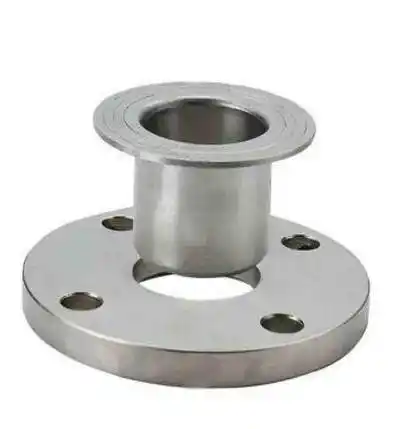
Lap joint flange (LJ)
Consisting of two components: a stub end and a lap joint ring flange. The respective stub end is slid into the flange’s bore, and the stub end is joined to the pipe through butt welding.

Threaded Flanges (TF)
Threaded flanges are pipe flanges with internal threading to match external threads on a pipe.
Author: Lewis Liu
Hello, my name is Lewis Liu, and I’m a professional sales engineer with over a decade of expertise in the flange fittings sector.
I am quite informed about flange selection, installation, and maintenance. I am passionate about providing customers with the greatest solutions for keeping their pipeline systems running smoothly, safely, and dependably.
If you have any queries or concerns concerning flange fittings for your pipelines, whether they are about selection, material choice, specification requirements, or anything else, please contact me at any time. I am dedicated to providing expert advice and assistance to help you make educated decisions and reach your objectives.