Skip to content
YANHAO

YANHAO

Flanges · Pipes · Fittings

  • FlangesExpand
    • ASME/ANSI B16.47Expand
      • Series AExpand
        • Class 150 Welding Neck
        • Class 150 Blind Flange
        • Class 300 Welding Neck
        • Class 300 Blind Flange
        • Class 400 Welding Neck
        • Class 400 Blind Flange
        • Class 600 Welding Neck
        • Class 600 Blind Flange
        • Class 900 Welding Neck
        • Class 900 Blind Flange
      • Series BExpand
        • Class 75 Welding Neck
        • Class 75 Blind Flange
        • Class 150 Welding Neck
        • Class 150 Blind Flange
        • Class 300 Welding Neck
        • Class 300 Blind Flange
        • Class 400 Welding Neck
        • Class 400 Blind Flange
        • Class 600 Welding Neck
        • Class 600 Blind Flange
        • Class 900 Welding Neck
        • Class 900 Blind Flange
    • ASME/ANSI B16.5Expand
      • ANSI B16.5 Class 150 Flanges
      • ANSI B16.5 Class 300 Flanges
      • ANSI B16.5 Class 400 Flanges
      • ANSI B16.5 Class 600 Flanges
      • ANSI B16.5 Class 900 Flanges
      • ANSI B16.5 Class 1500 Flanges
      • ANSI B16.5 Class 2500 Flanges
    • Flange typesExpand
      • Weld Neck Flanges
      • Slip-On Flanges
      • Blind Flanges
      • Lap Joint Flanges
      • Socket Weld Flanges
      • Threaded Flanges
    • Flange StandardExpand
      • ANSI Flange Standard
      • ASME Flange Standard
      • EN Flange Standard
    • Custom Flanges
    • Flange MaterialExpand
      • Stainless Steel Flanges
      • Carbon Steel Flanges
      • Alloy Steel Flanges
  • FittingsExpand
    • Pipe ElbowExpand
      • 45-Degree Long Radius Elbow
      • 90-Degree Long Radius Elbow
      • 180 Degree Long Radius Bend
      • 45-degree Elbow Pipe Fitting
      • 90-Degree Short Radius Elbow
      • 180-Degree Short Radius Bend
    • Pipe Cap
    • Pipe Reducer
    • Pipe Tee
    • Pipe Cross
  • PipesExpand
    • Insulated Steel Pipe
    • Anti-corrosion Steel Pipe
  • Project Cases
  • About UsExpand
    • Blog
    • Help Center & FAQ
    • Downloads
  • Contact
Catalog Download
YANHAO
YANHAO
Flanges · Pipes · Fittings
Home / Blog / How to Customize a Non-standard Large Flange

How to Customize a Non-standard Large Flange

In industrial production, large-diameter non-standard flanges have a wide range of applications, from petrochemicals to power energy, covering almost all fields requiring pipeline connections.However, standard flanges often cannot meet the needs of special operating conditions, making custom-made non-standard flanges a necessity.

This article will introduce the specific steps for customizing large-diameter non-standard flanges:

Step 1: Material Selection

A worker is checking the quality of steel
Our engineer is checking the quality of the steel

The Material choice depends on the specific application scenario.

Many people believe that stainless steel flanges are all that’s needed, but different operating conditions require significantly different materials.

For example, in coastal areas, 316L stainless steel offers significantly better corrosion resistance than 304; while under high temperature and pressure, SA105 carbon steel flanges exhibit superior stability.

A real-world example: A chemical plant company purchased a batch of standard 304 flanges for transporting acidic media, only to experience severe pitting corrosion after six months. After switching to custom-made 2205 double-sided stainless steel flanges, their service life increased threefold.

It’s crucial to note that the material thickness of non-standard flanges typically needs to be 10%-15% greater than standard flanges, especially for large-diameter products above DN600 (Pipe flange size chart >>) .

If you require custom-made non-standard flanges, especially large ones, please communicate with our engineering team in advance. We will provide you with the most suitable materials.

Step 2: Flange structural design

It needs to consider the installation Process.

The biggest taboo in non-standard customization is designing in isolation. We’ve encountered many cases where the design drawings were excellent, but the flanges simply couldn’t be installed on-site. We recommend paying attention to three details in the design:

  • Allow for a 5% adjustment margin in the bolt hole distribution circle diameter.
  • The transition radius from the flange sealing surface to the neck should be more varied than standard parts.
  • The bevel angle of the weld neck flange should be controlled between 35° and 37°.

A tip: When the flange diameter exceeds DN800 (Pipe flange size chart >>), a split-type structural design is highly recommended. This reduces transportation difficulties and the risk of welding deformation.

Therefore, when designing non-standard flanges, you need to provide the following important parameters:

  • Flange outer diameter (OD), inner diameter (ID), and thickness
  • Number of bolt holes, hole diameter, and distribution circle diameter
  • Sealing surface type (e.g., flat, raised face, ring joint)
  • Pressure rating and temperature range.

If you are unsure of the specific parameters, you can also describe your usage scenario in detail via email, along with your pipe fitting parameters, and we will design and match them for you.

During the design process, our engineers comprehensively consider factors such as the flange’s structural strength, sealing performance, and ease of installation. Structural strength ensures the flange will not deform or break under the predetermined pressure. Sealing performance guarantees no leakage at pipe connections. Ease of installation relates to the ease of on-site construction.

The drafting stage requires the creation of detailed engineering drawings, including assembly drawings and component drawings. All dimensions, tolerances, surface treatment requirements, and other special specifications will be clearly marked on the drawings.

Step 3: The manufacturing process of flanges

The manufacturing process of non-standard flanges varies depending on the materials and production volume.

Common manufacturing methods include forging, casting, and machining.

Forging Flanges
Forging Flanges
  • Forging: A flange blank is obtained through the plastic forming of metal. Forged flanges have a dense metallic structure and good mechanical properties, suitable for harsh conditions such as high pressure and high temperature.
  • Casting: Molten metal is poured into a mold to form the flange, suitable for manufacturing flanges with complex shapes.
  • Machining: The flange is directly machined from plate or bar stock through cutting, suitable for single-piece or small-batch production.

During the manufacturing process, strict quality control is required at every step. From blanking, heating, forming to heat treatment, each step can affect the quality of the final product. The heat treatment process, in particular, has a decisive impact on the mechanical properties of the flange and must be strictly implemented according to process specifications.

The main challenges in machining large-diameter non-standard flanges lie in three aspects:

  • First, flatness control: flanges with a diameter of 1 meter or more require diversified aging treatment after machining; otherwise, the flatness deviation may exceed 0.3 mm/m.
  • Second, sealing surface treatment: a surface finish of Ra 0.8 μm is only a basic requirement; more importantly, it is necessary to ensure that the tool marks are distributed in concentric circles.
  • Finally, dimensional inspection: it is recommended to use 3D laser scanning instead of traditional caliper measurement, especially for the contour inspection of irregularly shaped flanges.

Read more: How a Flange Is Made: The Flange Production/Manufacturing Process

Step 4: Quality Control

We conduct a complete quality inspection before delivery to the customer.

Quality inspection is a crucial step in ensuring that non-standard flanges meet requirements. Inspection includes dimensional checks, material verification, and performance testing.

Dimensional checks verify that the finished flange’s geometric dimensions match the drawings. This includes basic dimensions such as outer diameter, inner diameter, and thickness, as well as detailed dimensions such as bolt hole locations and sealing surface shapes. Material verification involves chemical composition analysis and mechanical performance testing to confirm that the materials used meet requirements.

Performance testing may include pressure testing and non-destructive testing, depending on the application requirements. Pressure testing simulates working conditions to test the flange’s pressure-bearing capacity. Non-destructive testing uses methods such as ultrasonic testing and X-rays to inspect for internal defects.

Only flanges that pass inspection are delivered to the user. Non-conforming products discovered during inspection are reworked or scrapped in various ways to ensure that all products leaving the factory meet quality standards.

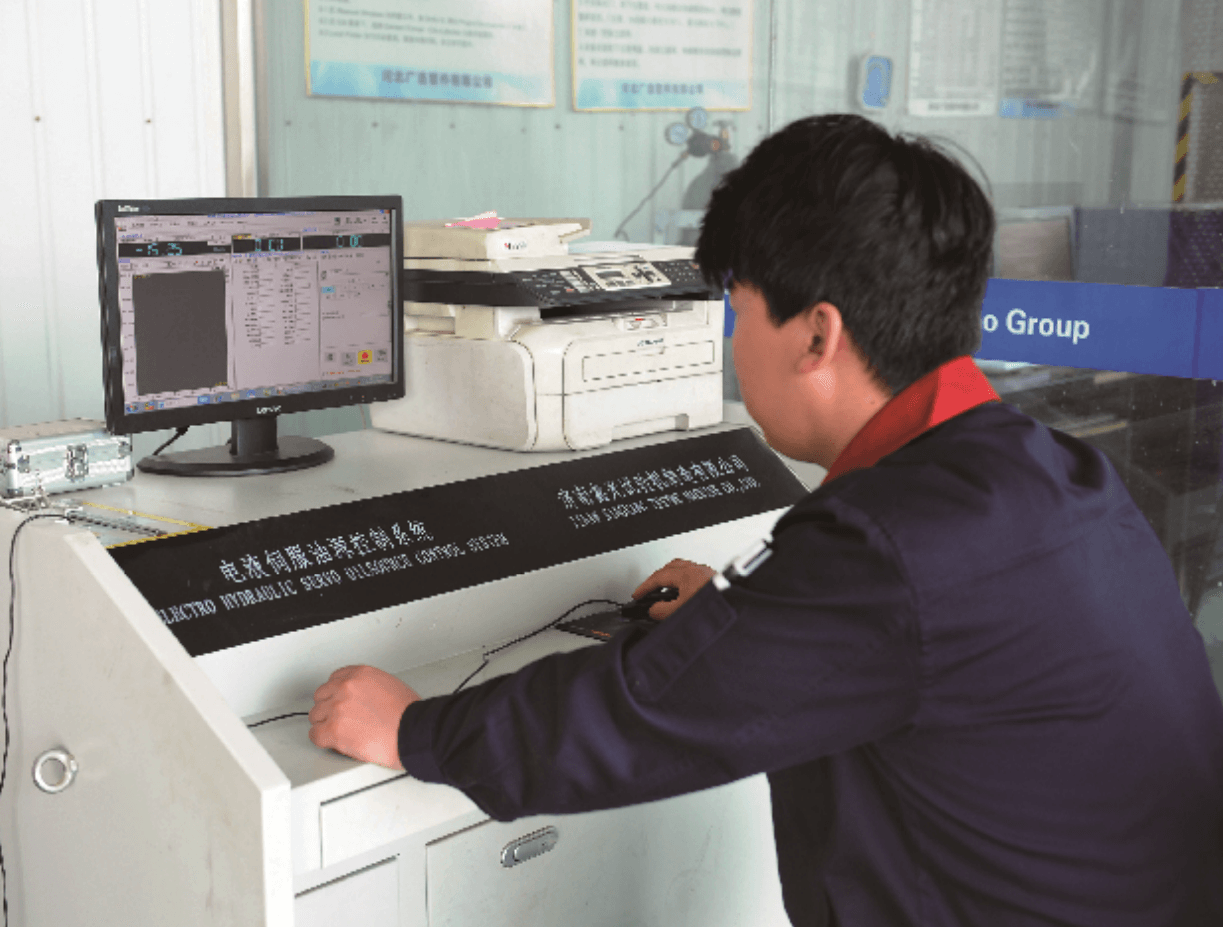
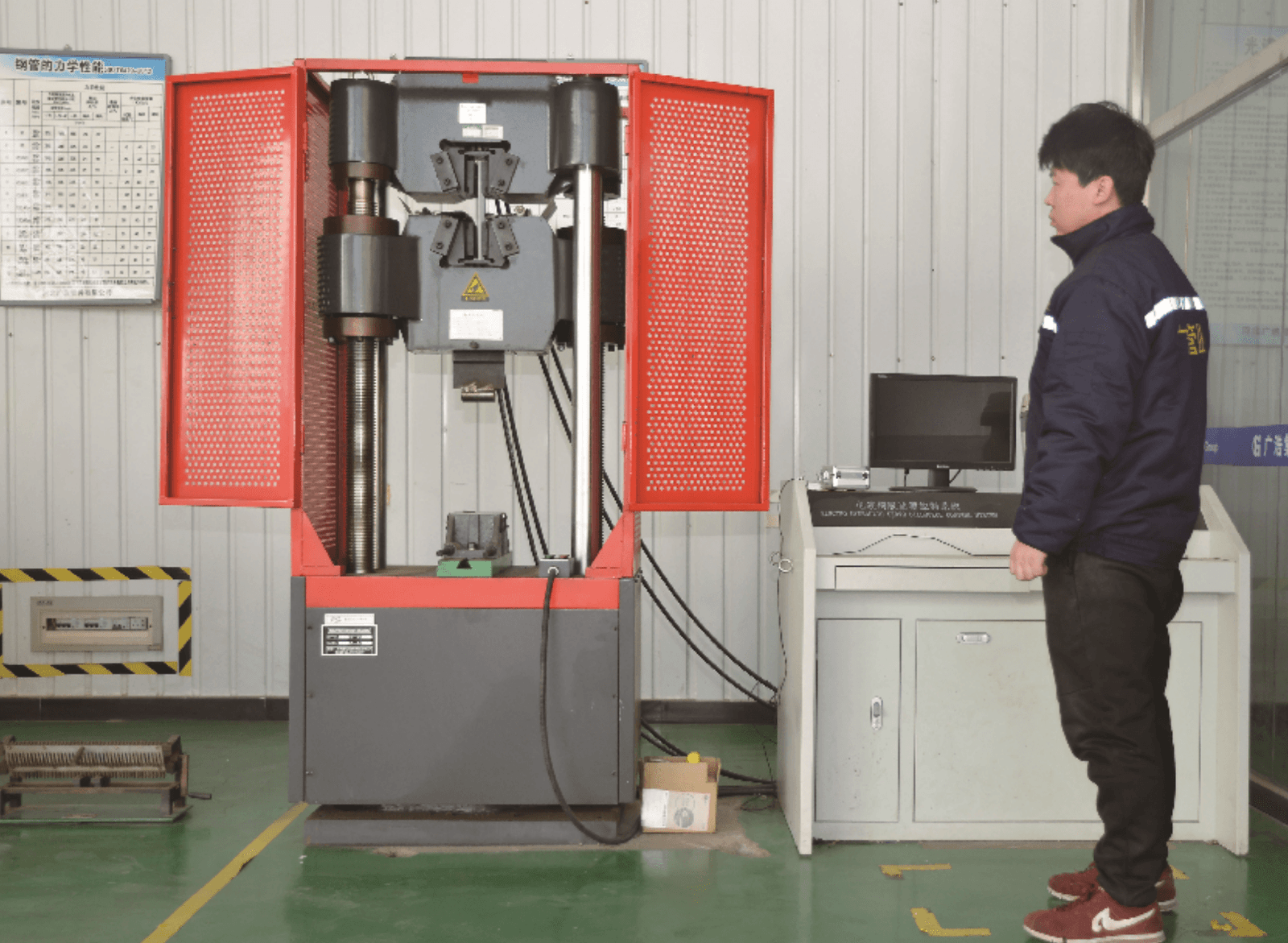
Our company is equipped with a full set of physical and chemical testing, including spectrometer direct reading, non-destructive testing, heat treatment, water pressure testing, and other product quality testing equipment, providing a reliable guarantee for the production of high-quality products.

  • Metallographic Analyzer
    Metallographic Analyzer
  • Tensile Testing Machine
    Tensile Testing Machine
  • Thickness measurement
    Thickness measurement
  • Magnetic particle inspection
    Magnetic particle inspection
  • Hardness testing
    Hardness testing
  • Physical and chemical testing
    Physical and chemical testing
  • Impact test
    Impact test
  • Ultrasonic testing
    Ultrasonic testing
  • Low temperature testing
    Low temperature testing
  • Direct-Reading Spectrometer
    Direct-Reading Spectrometer

Finally

There are a few points to consider when ordering custom flanges for engineering projects. Choosing an experienced manufacturer is crucial. Professional manufacturers not only possess advanced production equipment but also have a rigorous quality management system, enabling them to provide reliable products.

Users should clearly define their budget; custom flanges typically cost more than standard products, but through proper design and material selection, costs can be controlled while ensuring quality. Users need to understand relevant standards and specifications to ensure that the custom flanges meet project requirements and avoid safety hazards caused by improper design.


Author: Lewis Liu

Hello, my name is Lewis Liu, and I’m a professional sales engineer with over a decade of expertise in the flange fittings sector.

I am quite informed about flange selection, installation, and maintenance. I am passionate about providing customers with the greatest solutions for keeping their pipeline systems running smoothly, safely, and dependably.

If you have any queries or concerns concerning flange fittings for your pipelines, whether they are about selection, material choice, specification requirements, or anything else, please contact me at any time. I am dedicated to providing expert advice and assistance to help you make educated decisions and reach your objectives.

Contact Us

Post navigation

Previous Previous
Project Case: Custom Socket welding & Neck Welding Flange | Kyrgyzstan

Having Questions? Contact Now!

  • Tel: +86-133-1307-3735
  • Email Us: sales@yanhaocn.com
  • Whatsapp:  +86 13313073735

As a leading Chinese flange manufacturer, we are committed to delivering superior-quality pipe flanges at competitive prices.

Our extensive experience and cutting-edge production technology ensure that our products meet the highest industry standards.

We pride ourselves on our ability to provide tailored solutions to meet the diverse needs of our clients, ensuring that our flanges are perfectly suited for a wide range of applications.

Trust us to be your reliable partner for all your flange requirements.

Service

  • Custom Flanges

Flange Types

  • Weld Neck Flanges
  • Socket Weld Flanges
  • Slip-On Flanges
  • Lap Joint Flanges
  • Threaded Flanges
  • Blind Flanges

Flange Materials

  • Stainless Steel Flanges
  • Carbon Steel Flanges
  • Alloy Steel Flanges

Flange Standards

  • B16.47 Flanges
  • B16.5 Flanges
  • EN Standard Flange

Quick Links

  • Home
  • About Us
  • Contact
  • Project Cases
  • Resources
  • Blog

© 2000 - 2025 Hebei Yanhao Pipeline Equipment Co., Ltd.

Facebook FacebookTwitter TwitterYouTube YouTube

Product Brochure

One time completion of this brief form gives you immediate access and download to this document.

Scroll to top
  • Flanges
    • ASME/ANSI B16.47
      • Series A
        • Class 150 Welding Neck
        • Class 150 Blind Flange
        • Class 300 Welding Neck
        • Class 300 Blind Flange
        • Class 400 Welding Neck
        • Class 400 Blind Flange
        • Class 600 Welding Neck
        • Class 600 Blind Flange
        • Class 900 Welding Neck
        • Class 900 Blind Flange
      • Series B
        • Class 75 Welding Neck
        • Class 75 Blind Flange
        • Class 150 Welding Neck
        • Class 150 Blind Flange
        • Class 300 Welding Neck
        • Class 300 Blind Flange
        • Class 400 Welding Neck
        • Class 400 Blind Flange
        • Class 600 Welding Neck
        • Class 600 Blind Flange
        • Class 900 Welding Neck
        • Class 900 Blind Flange
    • ASME/ANSI B16.5
      • ANSI B16.5 Class 150 Flanges
      • ANSI B16.5 Class 300 Flanges
      • ANSI B16.5 Class 400 Flanges
      • ANSI B16.5 Class 600 Flanges
      • ANSI B16.5 Class 900 Flanges
      • ANSI B16.5 Class 1500 Flanges
      • ANSI B16.5 Class 2500 Flanges
    • Flange types
      • Weld Neck Flanges
      • Slip-On Flanges
      • Blind Flanges
      • Lap Joint Flanges
      • Socket Weld Flanges
      • Threaded Flanges
    • Flange Standard
      • ANSI Flange Standard
      • ASME Flange Standard
      • EN Flange Standard
    • Custom Flanges
    • Flange Material
      • Stainless Steel Flanges
      • Carbon Steel Flanges
      • Alloy Steel Flanges
  • Fittings
    • Pipe Elbow
      • 45-Degree Long Radius Elbow
      • 90-Degree Long Radius Elbow
      • 180 Degree Long Radius Bend
      • 45-degree Elbow Pipe Fitting
      • 90-Degree Short Radius Elbow
      • 180-Degree Short Radius Bend
    • Pipe Cap
    • Pipe Reducer
    • Pipe Tee
    • Pipe Cross
  • Pipes
    • Insulated Steel Pipe
    • Anti-corrosion Steel Pipe
  • Project Cases
  • About Us
    • Blog
    • Help Center & FAQ
    • Downloads
  • Contact